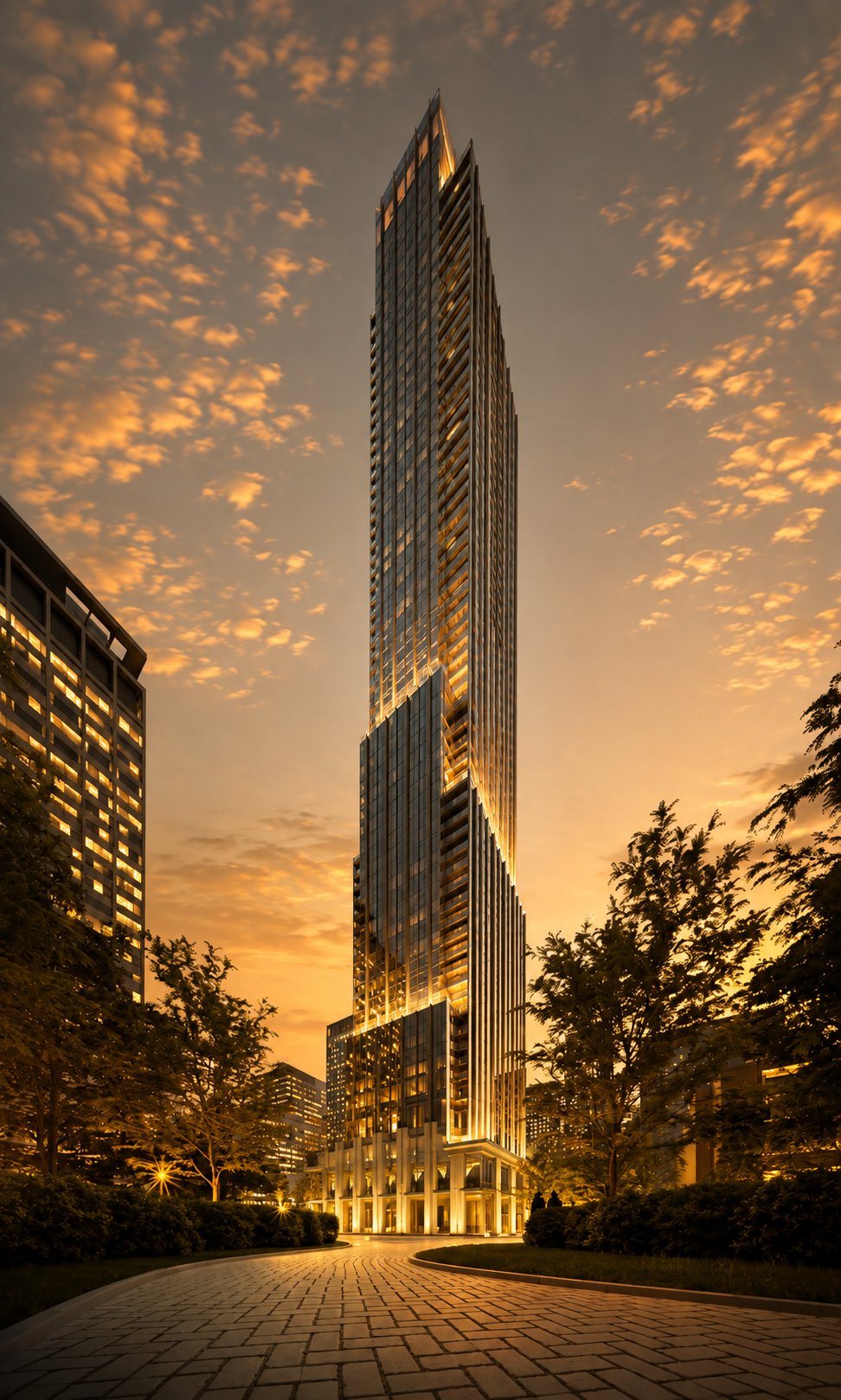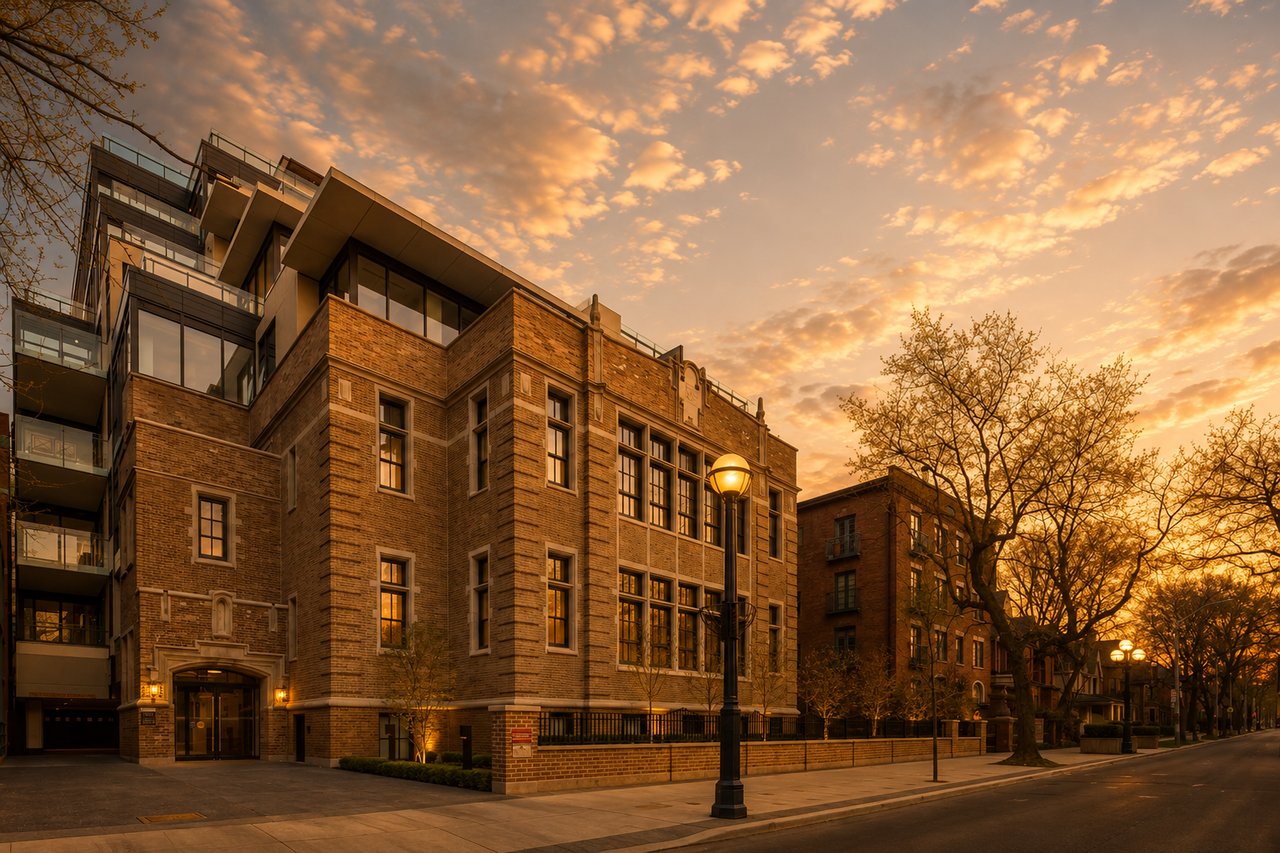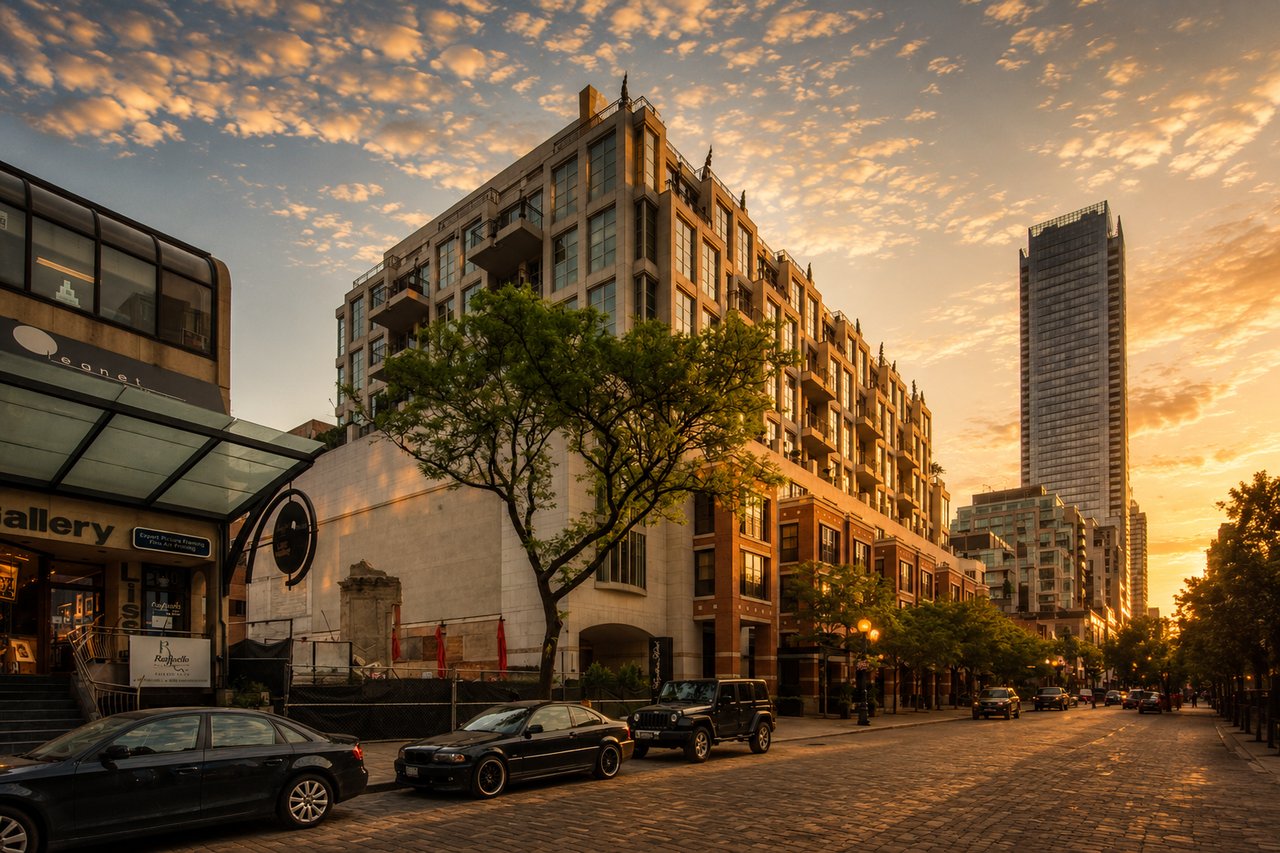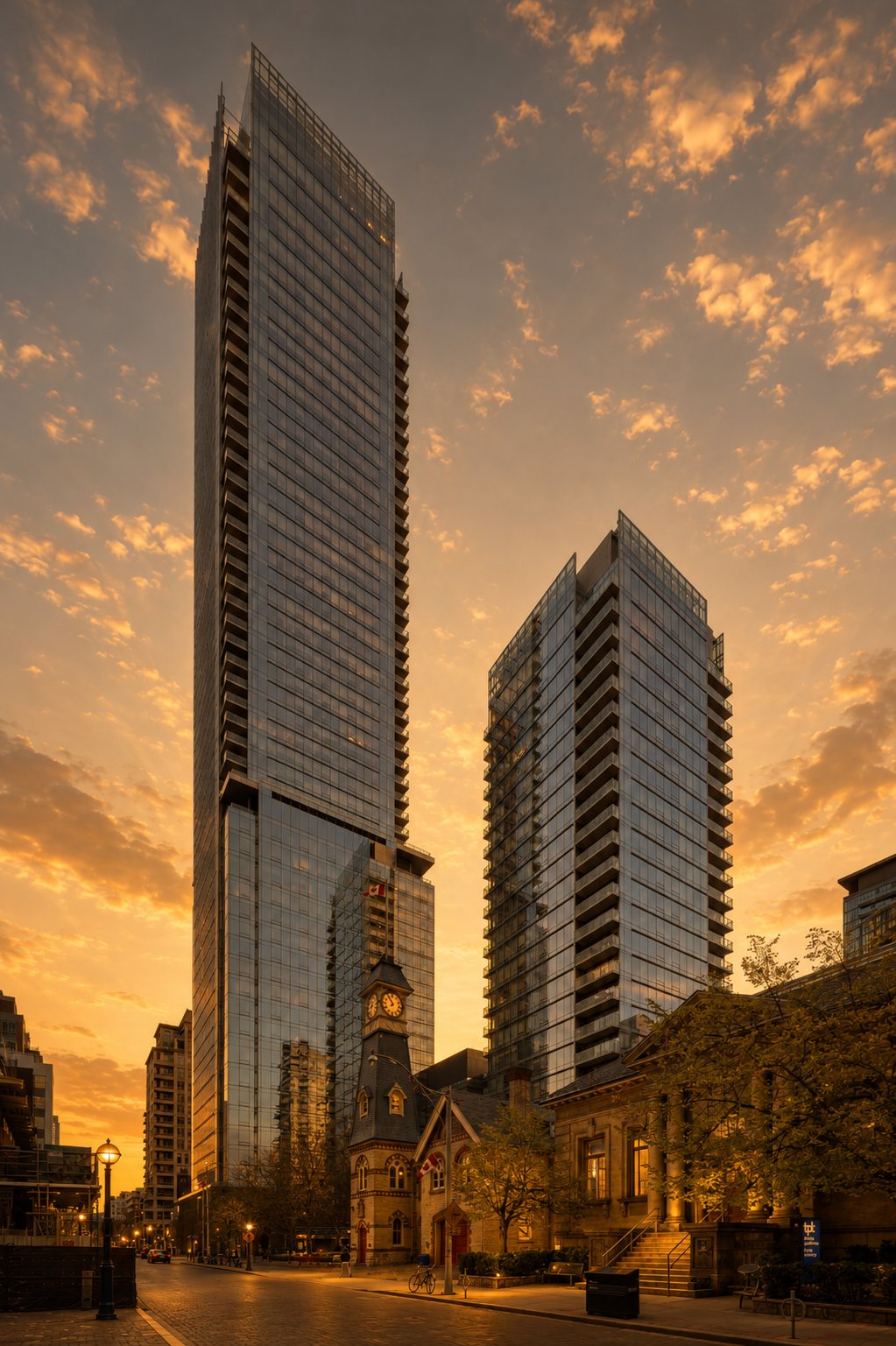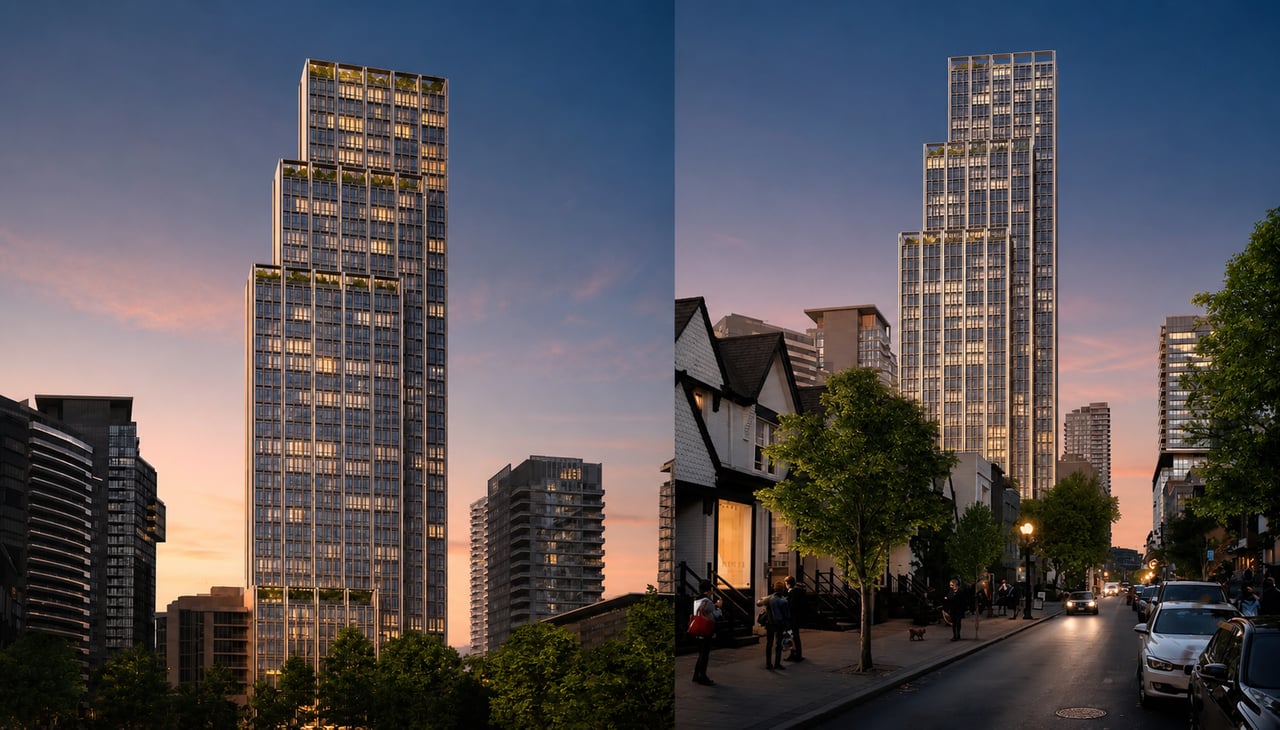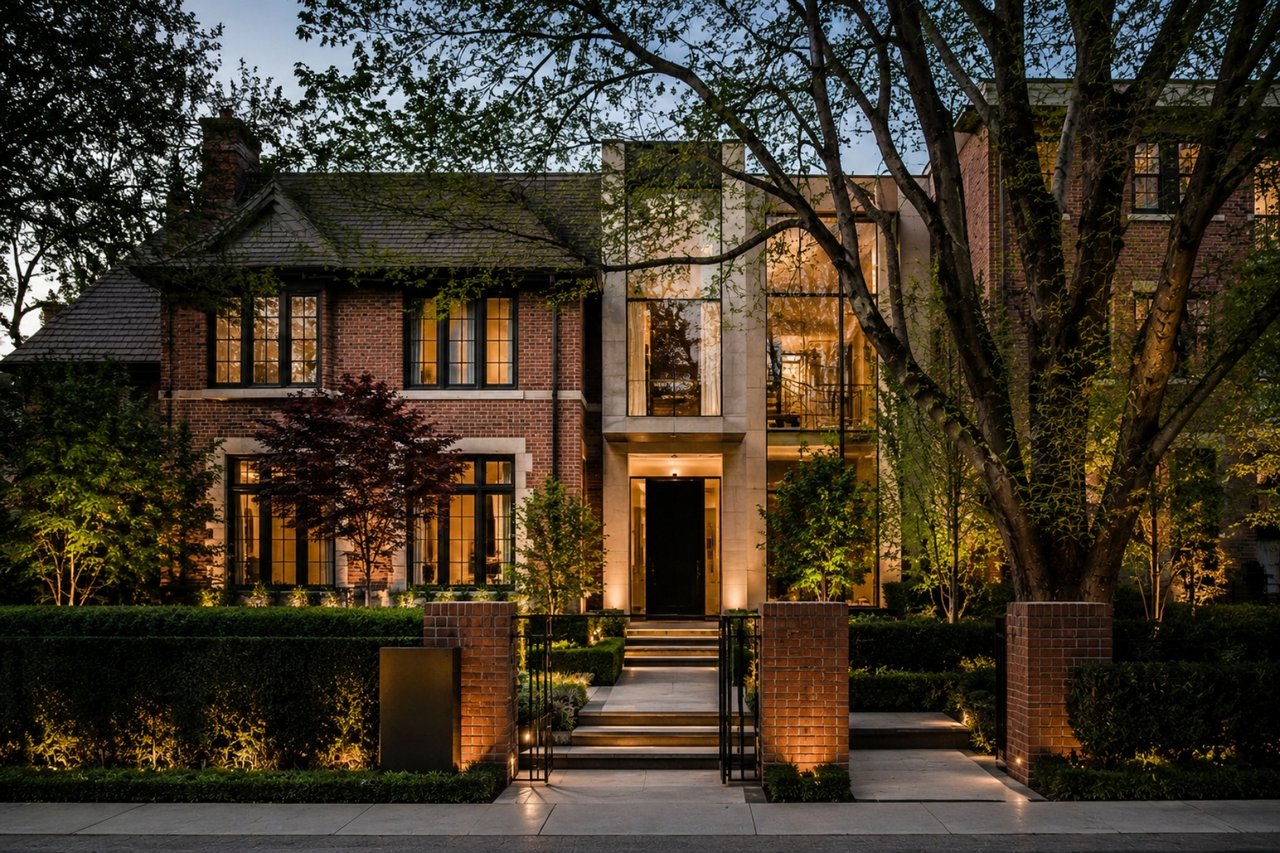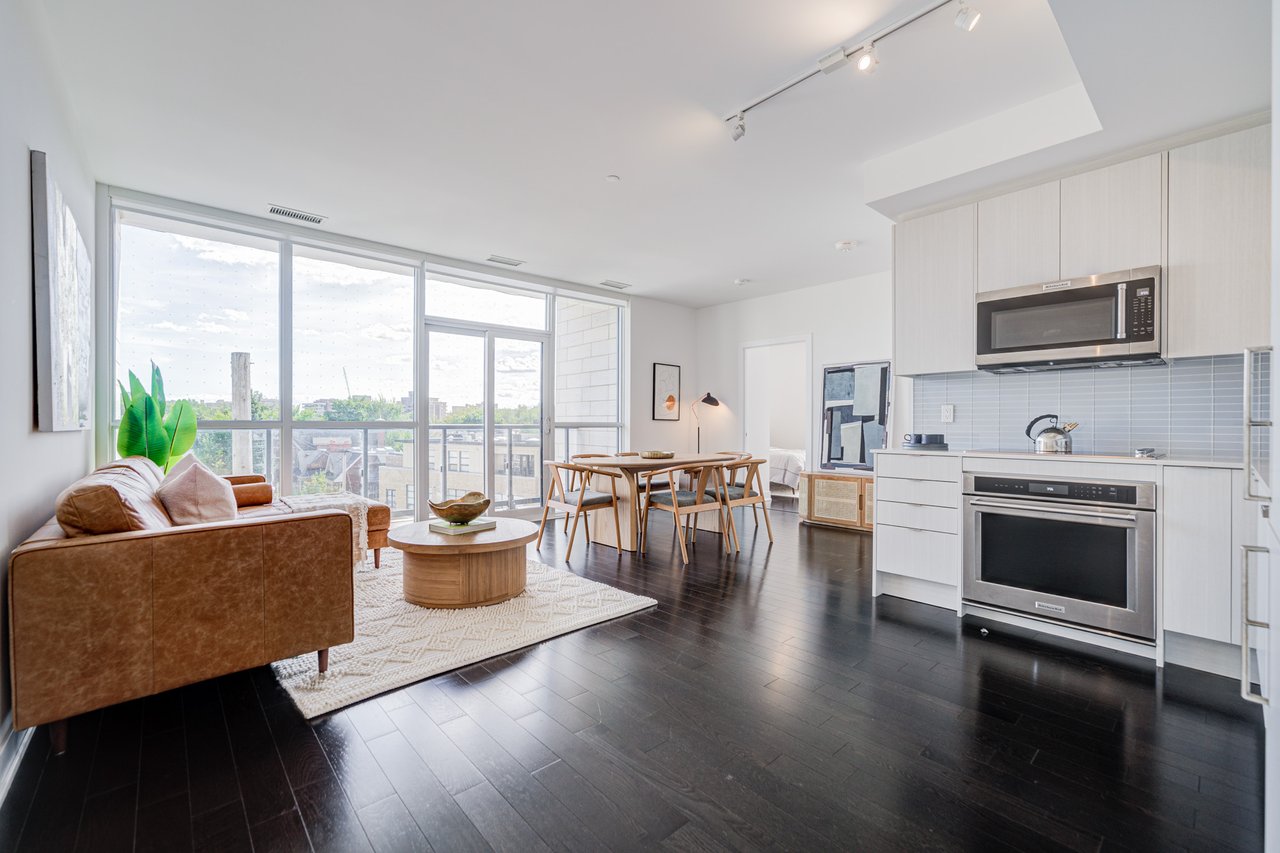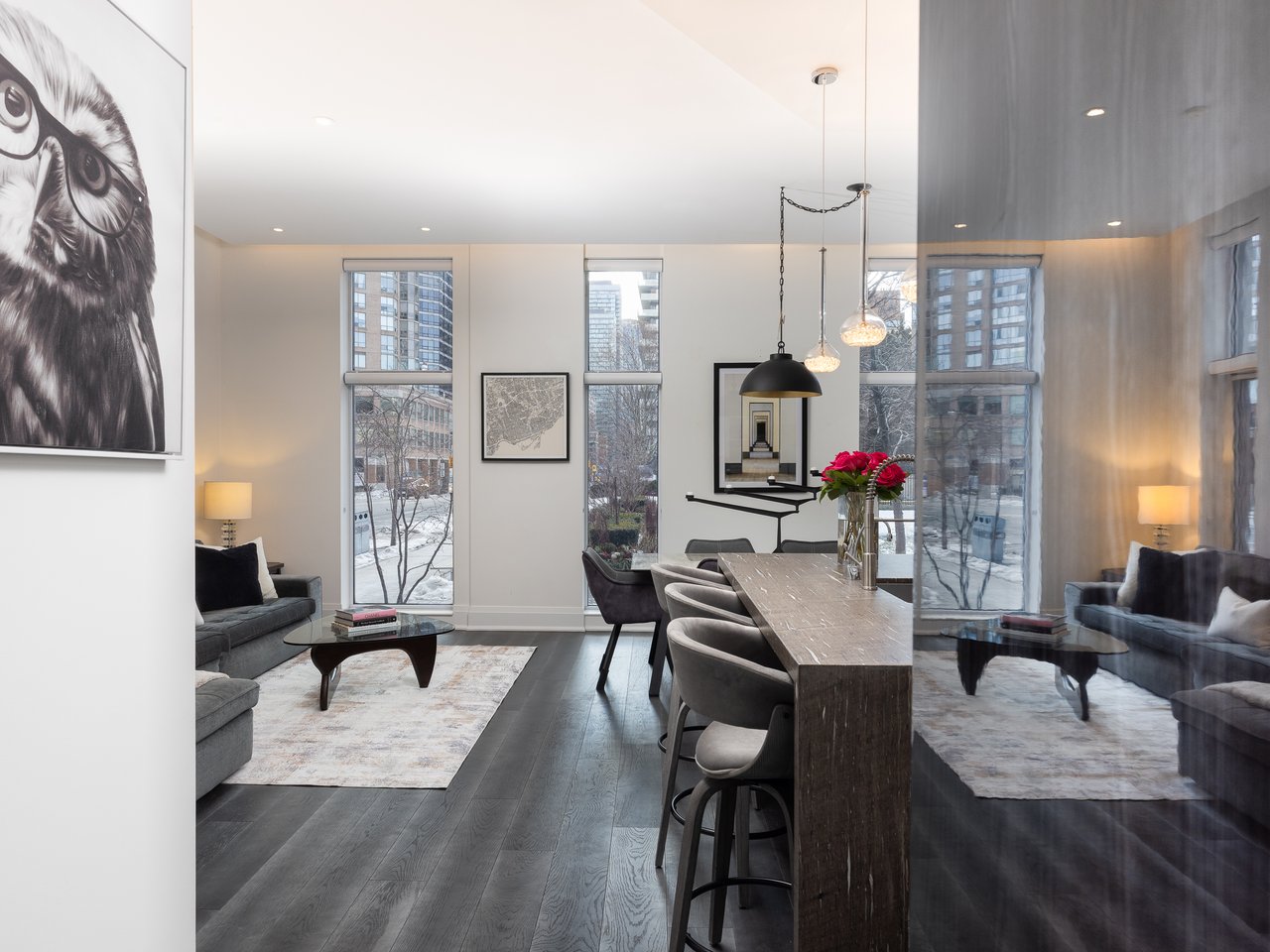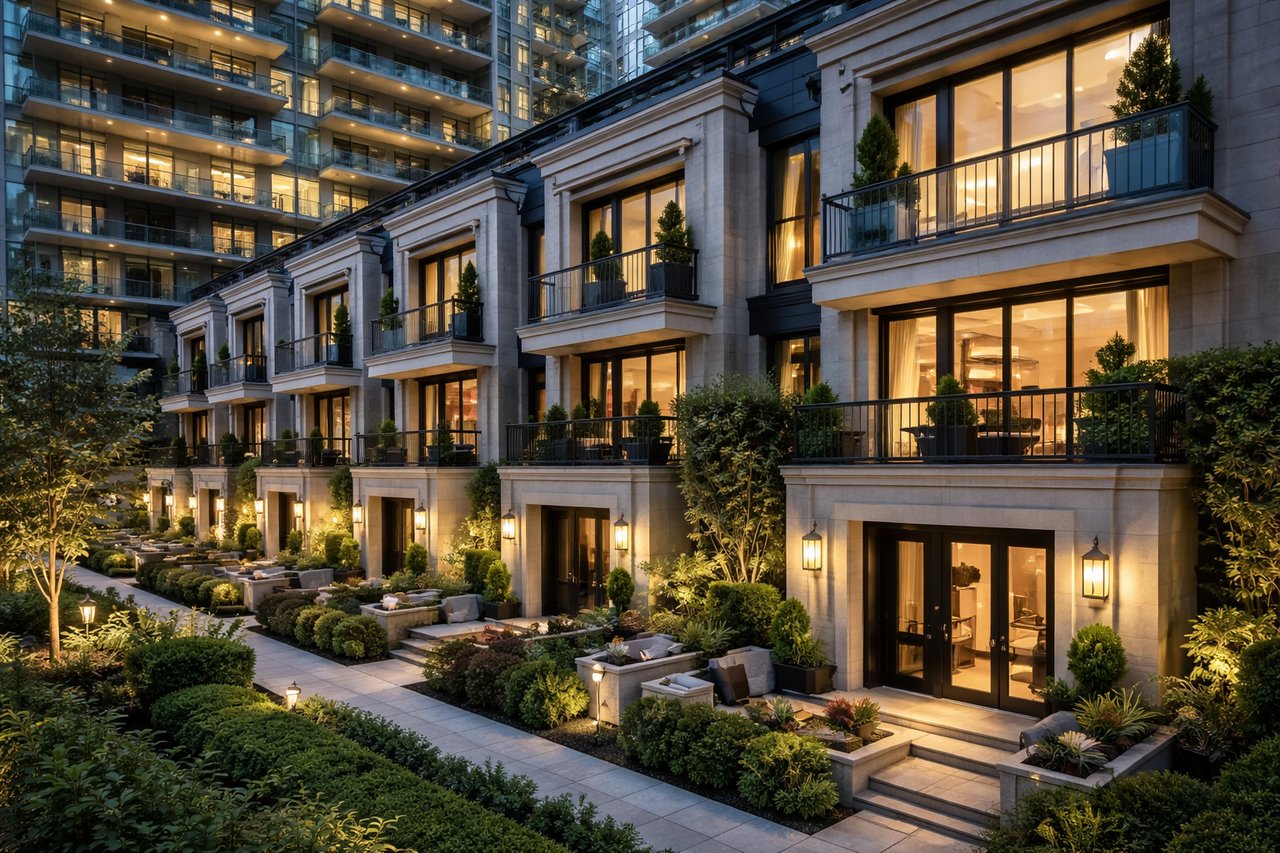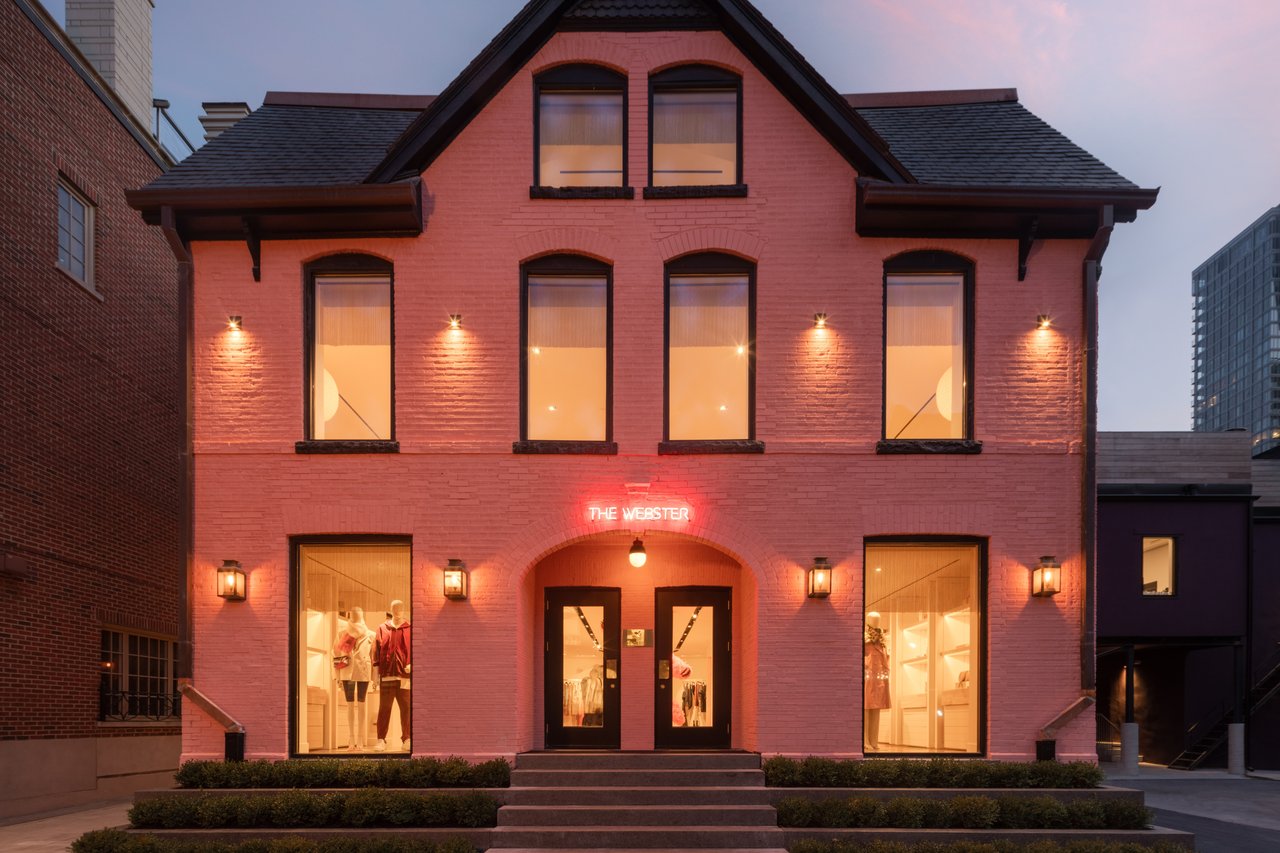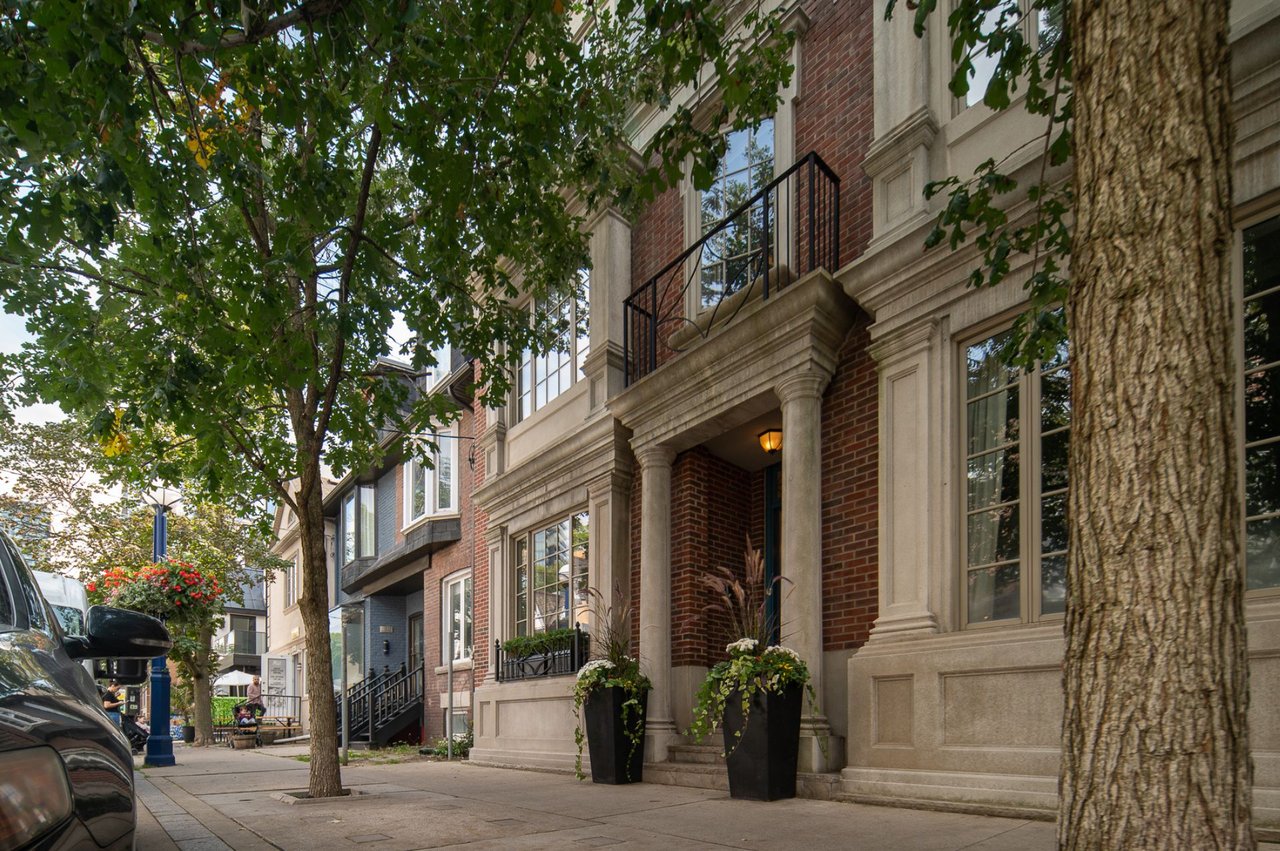
Both condo and freehold townhouses deliver multi-level attached living with shared walls, but their ownership structures create fundamentally different financial obligations and lifestyle implications. Understanding these distinctions helps buyers align property type with personal priorities around control, convenience, cost predictability, and long-term investment strategy. For comprehensive insights on condo townhouse advantages, explore our guide on Condo Townhouse Advantage: Where Multi-Level Space Meets Five-Star Amenities and Service. If you're also considering semi-detached homes in your search, see our comparison guide on Condo Townhouse vs Semi-Detached Home.
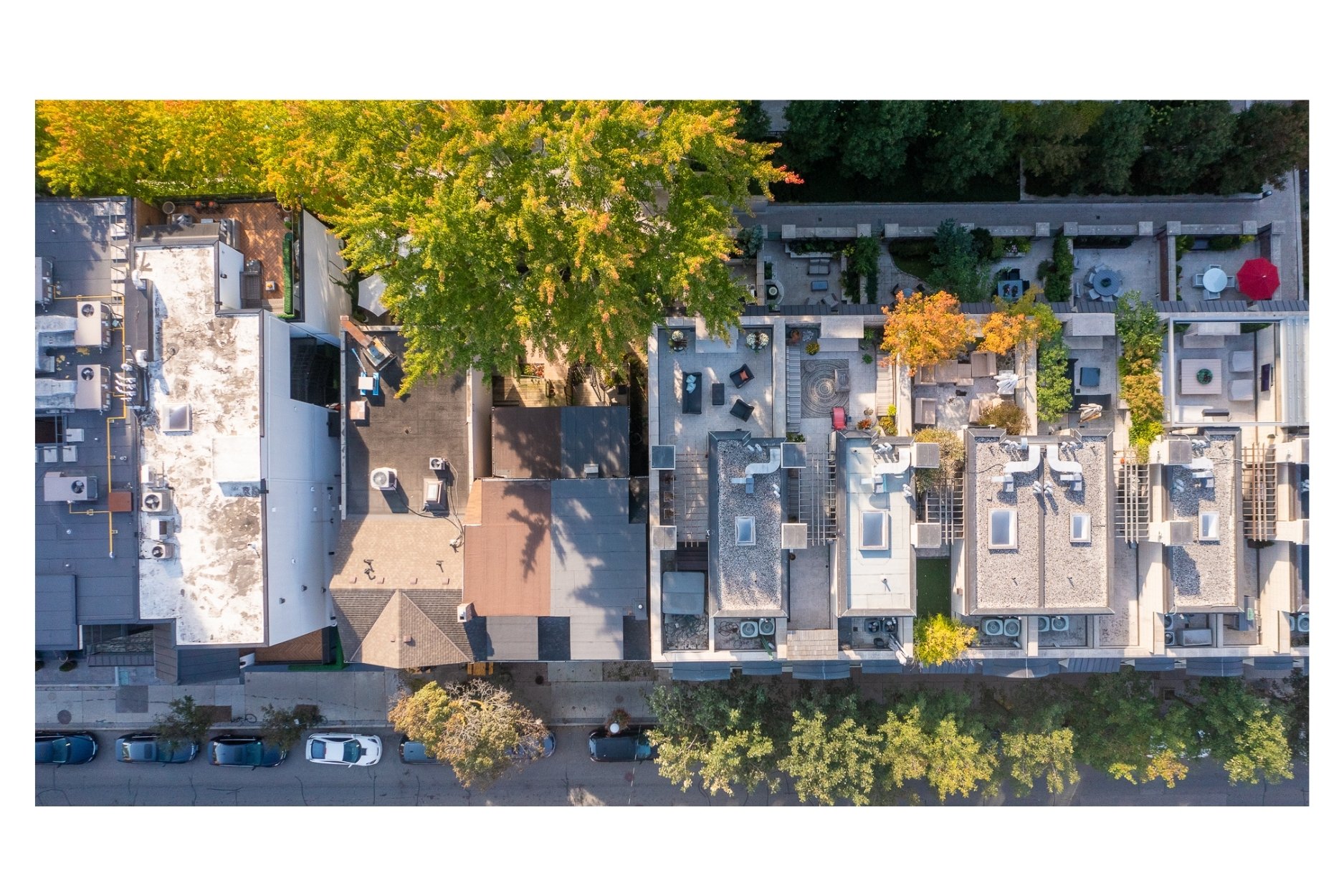
Ownership Structure and What You Actually Own
Condo townhouse owners hold title to their interior unit only, sharing ownership of common elements like roofs, exterior walls, and building grounds with other residents through the condominium corporation. Freehold townhouse owners possess both the building structure and the land beneath it, assuming complete property responsibility and control. This fundamental difference shapes every other aspect of ownership from financial obligations to renovation freedom.
Monthly Cost Obligations and Long-Term Budgeting
Condo townhouse owners pay monthly maintenance fees covering exterior upkeep, landscaping, snow removal, and building amenities, providing predictable budgeting and eliminating surprise repair costs. Fees vary by location and building quality, typically ranging from approximately $800 to $3,000+ in luxury markets based on building age, unit size, amenities offered, and service level provided. This predictability proves valuable for buyers prioritizing budget certainty and those wanting to avoid coordinating contractor relationships for exterior repairs. Freehold townhouse owners pay zero monthly fees but absorb all repair costs directly - from roof replacement to foundation work - creating unpredictable annual expenses that can range from minimal in stable years to five figures when major systems fail. This autonomy appeals to buyers comfortable managing irregular expenses and those planning very long-term ownership where cumulative condo fees might exceed self-managed repair costs.
Maintenance Responsibilities and Time Investment
Condo corporations handle exterior building maintenance, roof repairs, landscaping, snow removal, and common area upkeep through professional property management funded by monthly fees, freeing owners from coordinating contractors and managing repairs. This proves particularly valuable for busy professionals, frequent travelers, those uncomfortable vetting contractors, and buyers prioritizing leisure time over property management. Freehold owners coordinate all maintenance personally - researching contractors, obtaining quotes, scheduling work, and managing tradespeople for every repair from gutter cleaning to HVAC replacement. The condo model trades monthly fees for convenience and predictability, while freehold ownership trades unpredictable costs for complete autonomy and potential long-term savings for skilled DIY owners.
Building Amenities vs. DIY Installations
Condo townhouse buildings typically provide resort-style facilities - gyms, pools, concierge services, guest suites, party rooms - shared across all residents and funded through monthly fees. These amenities would cost hundreds of thousands to install privately and require ongoing maintenance most individual owners cannot justify economically. For buyers valuing amenity access without personal maintenance burdens, regular gym users, frequent entertainers, and those with visiting family, this shared model delivers exceptional value. Freehold townhouse owners may install private amenities but face full installation costs and upkeep burdens, making comprehensive facilities economically impractical for most households except those with substantial budgets willing to manage private installations.
Renovation Freedom and Exterior Control
Condo townhouse owners require condo board approval for exterior modifications including door colors, window replacements, facade changes, or visible alterations, ensuring building aesthetic uniformity but limiting personalization. Interior renovations proceed under standard permit requirements. This governance appeals to buyers valuing neighborhood aesthetic consistency and those prioritizing interior customization over exterior changes. Freehold owners enjoy complete renovation autonomy subject only to municipal building codes and bylaws, allowing full creative control over property appearance and modifications, ideal for buyers with specific design visions or those planning substantial structural changes.
Purchase Price and Land Value
Freehold townhouses typically cost 15-25% more upfront than comparable condo townhouses because purchase price includes land value in addition to building structure. This land component drives the premium but also contributes to stronger long-term appreciation for buyers planning extended ownership. Condo townhouses offer lower entry costs, making them accessible alternatives for buyers seeking multi-level space without freehold premiums, ideal for first-time buyers, those maximizing purchase power in premium neighborhoods, and buyers prioritizing location over land ownership.
Long-Term Appreciation Patterns
Market data suggests condo townhouses appreciate more like freehold properties than traditional condo apartments due to substantial square footage and ground-oriented format, but appreciation generally trails freehold townhouses over extended periods. Freehold units benefit from land ownership driving value growth, particularly valuable in constrained urban markets where land scarcity accelerates appreciation. Condo appreciation depends more heavily on building maintenance quality, corporation financial health, and overall condo market sentiment, requiring buyers to assess building governance alongside location fundamentals.
Making the Choice
The decision hinges on whether buyers prioritize complete autonomy - including pets, rentals, parking - and long-term land appreciation (freehold) or turnkey convenience with predictable monthly costs, resort-style amenities, and professional management (condo). Freehold suits buyers comfortable with property management responsibilities, those planning very long-term ownership to maximize land value appreciation, skilled DIY enthusiasts, and individuals valuing complete autonomy. Condo townhouses appeal to busy professionals avoiding maintenance coordination, frequent travelers requiring professionally managed properties, buyers maximizing purchase power through lower entry costs, amenity-focused lifestyles, and those prioritizing turnkey living with resort-style amenities over maximum investment returns.
FREQUENTLY ASKED QUESTIONS
What's the main difference between condo and freehold townhouses?
Ownership structure differs fundamentally. Condo townhouse owners own their interior unit only with monthly fees covering exterior maintenance and shared amenities. Freehold townhouse owners own both the building and land, with zero monthly fees but full responsibility for all maintenance and repairs.
Are monthly maintenance fees worth it for condo townhouses?
Maintenance fees provide value through predictable budgeting, professional property management, exterior maintenance elimination, and access to building amenities like gyms and pools impossible for individual owners to maintain economically. Fees typically range from approximately $800 to $3,000+ based on building quality and amenities. However, fees typically exceed annual freehold maintenance costs averaged over time, making value judgment dependent on personal priorities around convenience versus cost optimization and amenity access.
Can I renovate more freely in a freehold townhouse?
Yes, freehold owners enjoy complete renovation autonomy for both interior and exterior modifications subject only to municipal building codes. Condo townhouse owners require board approval for exterior changes but maintain freedom for interior renovations under standard permit requirements.
Which appreciates better long-term?
Freehold townhouses typically demonstrate stronger long-term appreciation due to land ownership, particularly in constrained urban markets. Condo townhouses appreciate more favorably than traditional condo apartments due to substantial square footage but generally trail freehold properties. Appreciation depends heavily on local market conditions, building quality, and corporation financial management for condos.
Discover Your Ideal Townhouse Format
Whether drawn to the autonomy of freehold ownership or the turnkey convenience of condo living, the right townhouse format aligns with your lifestyle priorities and financial strategy. Some buyers value complete control and maximize long-term land appreciation through freehold ownership. Others prioritize hassle-free living with professional management and resort-style amenities available only through condominium formats. Nissan Michael and Grace Chan of the Mr. Yorkville Real Estate Group guide sophisticated buyers through these nuanced decisions, matching property types to personal priorities rather than applying one-size-fits-all recommendations.
YOU BELONG TO THE CITY™