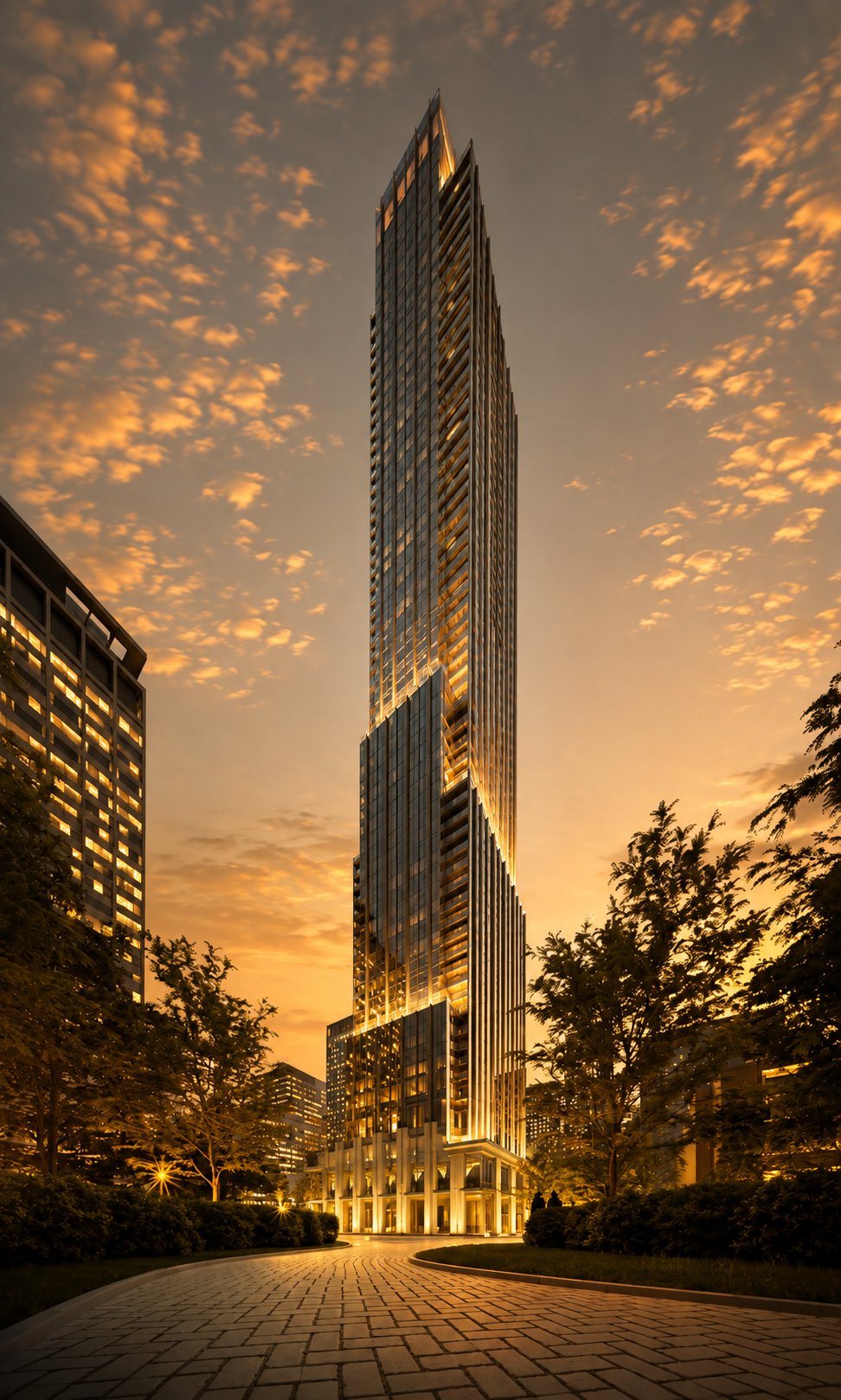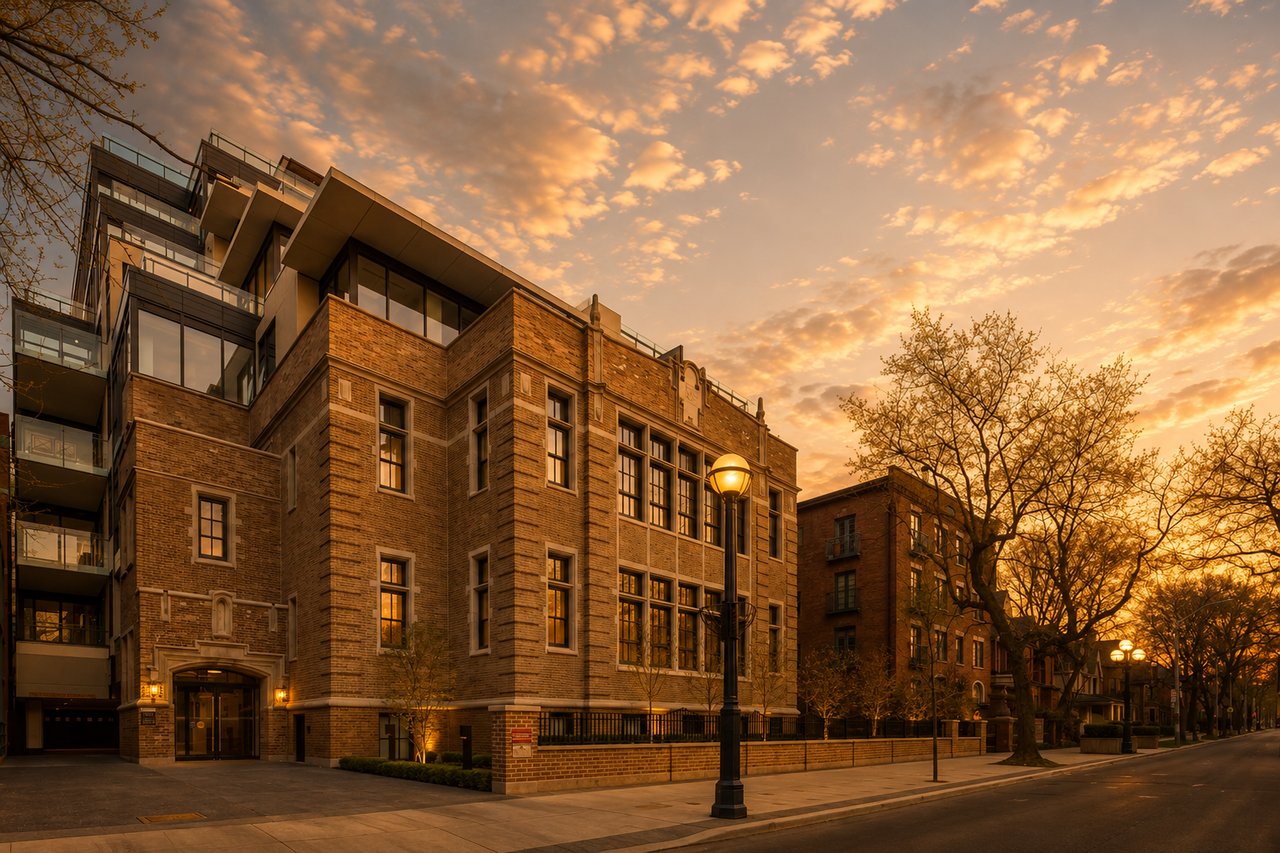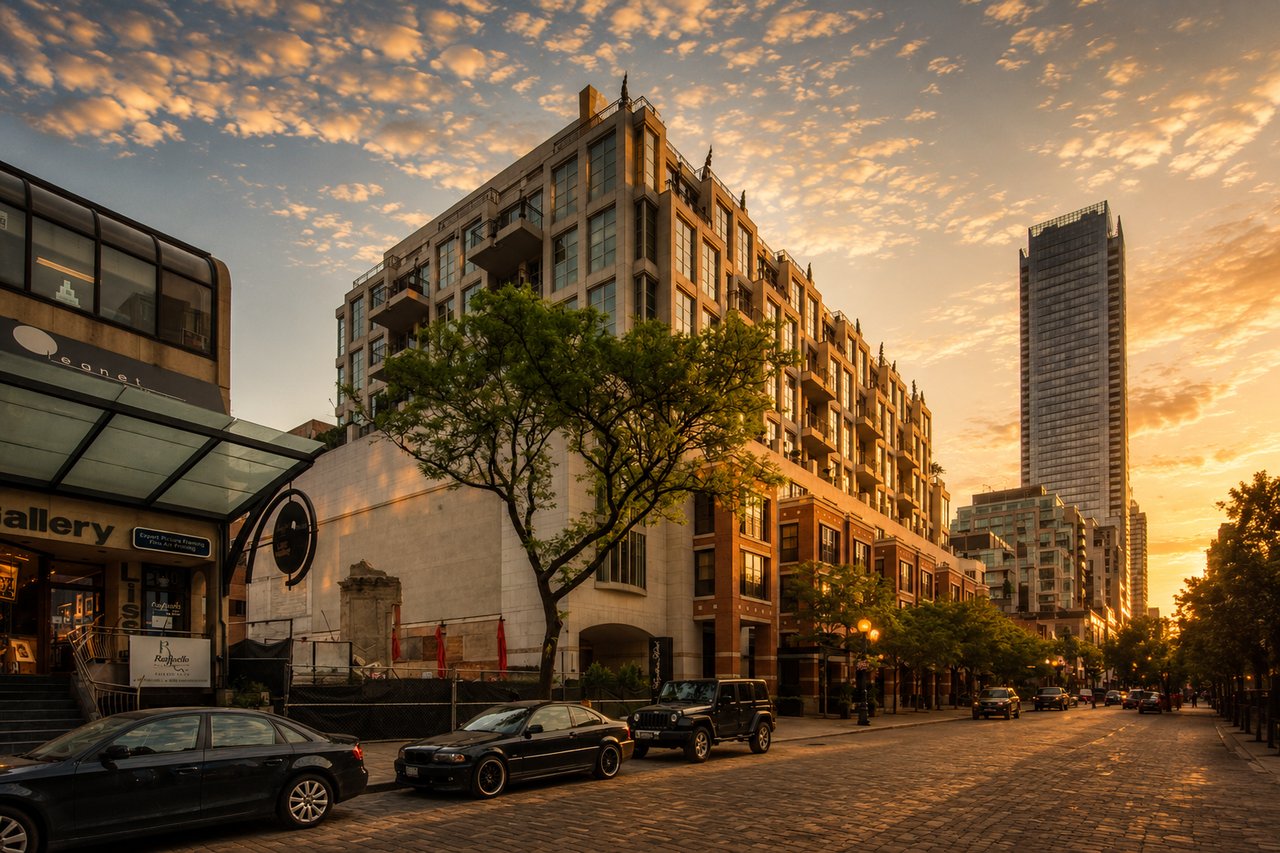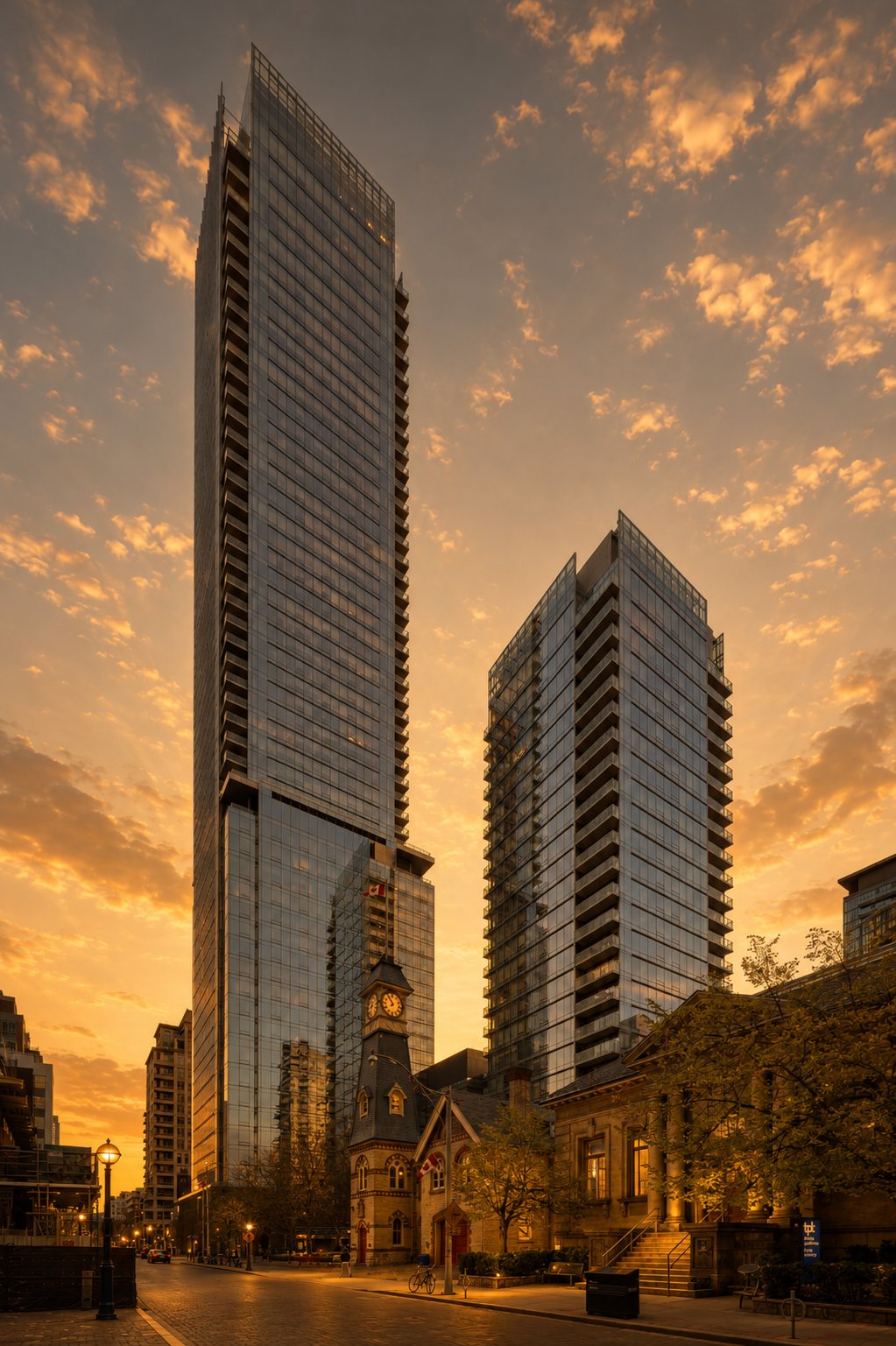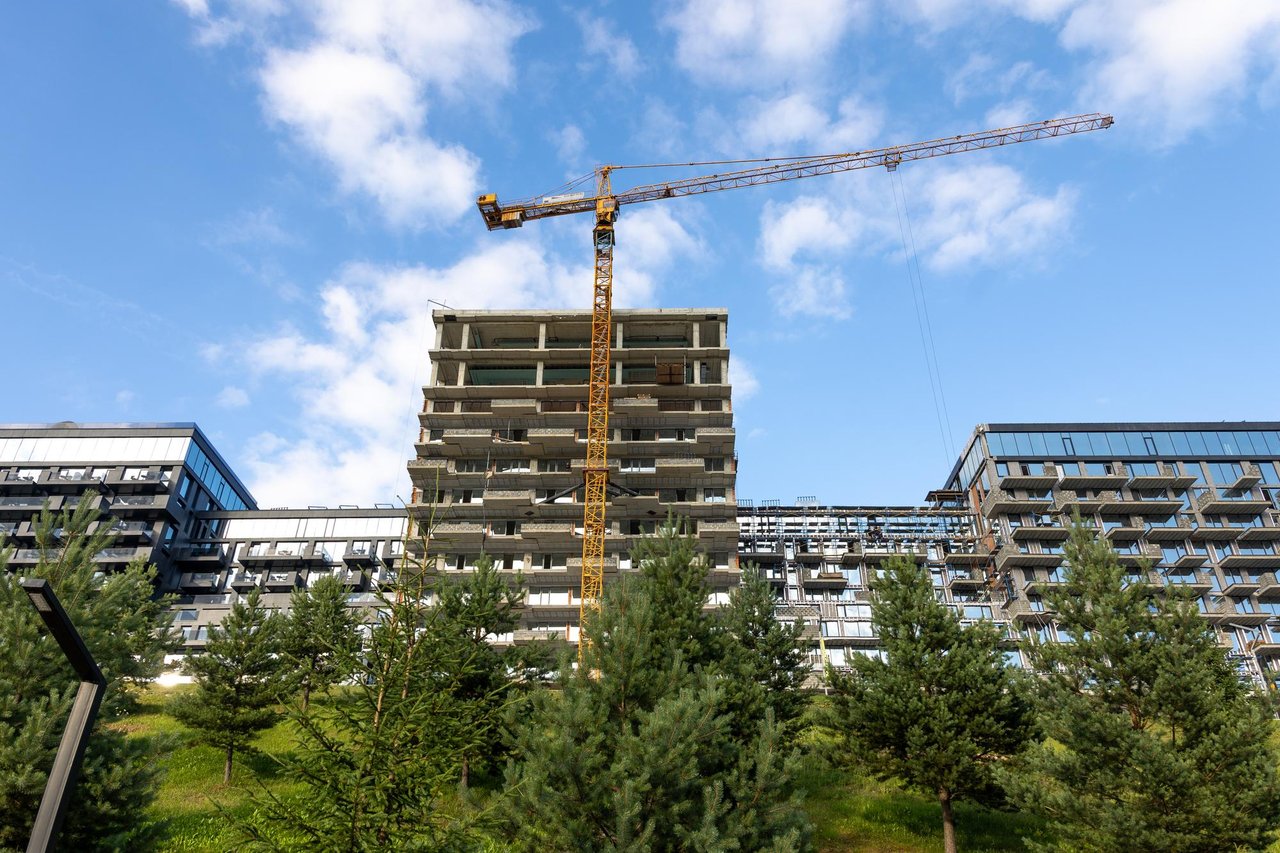
In 2019 and 2020, pre-construction condominium investing in Toronto operated on a premise that felt, at the time, like basic arithmetic: sign a contract at today's price, pay a deposit, wait for construction, and close into a unit that the market had already validated at a higher value. The strategy had worked, with reliable consistency, for the better part of two decades. Toronto condo prices had moved in one direction. The math was straightforward. The risk was manageable.
That arithmetic is now broken. And the consequences are arriving at scale in 2026 -- not as a distant market concern but as an immediate, concrete financial problem for an estimated 28,000 units hitting closing this year. Some of those closings will proceed without difficulty. Many will not. And the pattern of what is happening -- the appraisal gaps, the deposit forfeitures, the legal exposure -- is something every Toronto real estate investor, developer, and serious buyer needs to understand.
The Numbers Behind the Problem
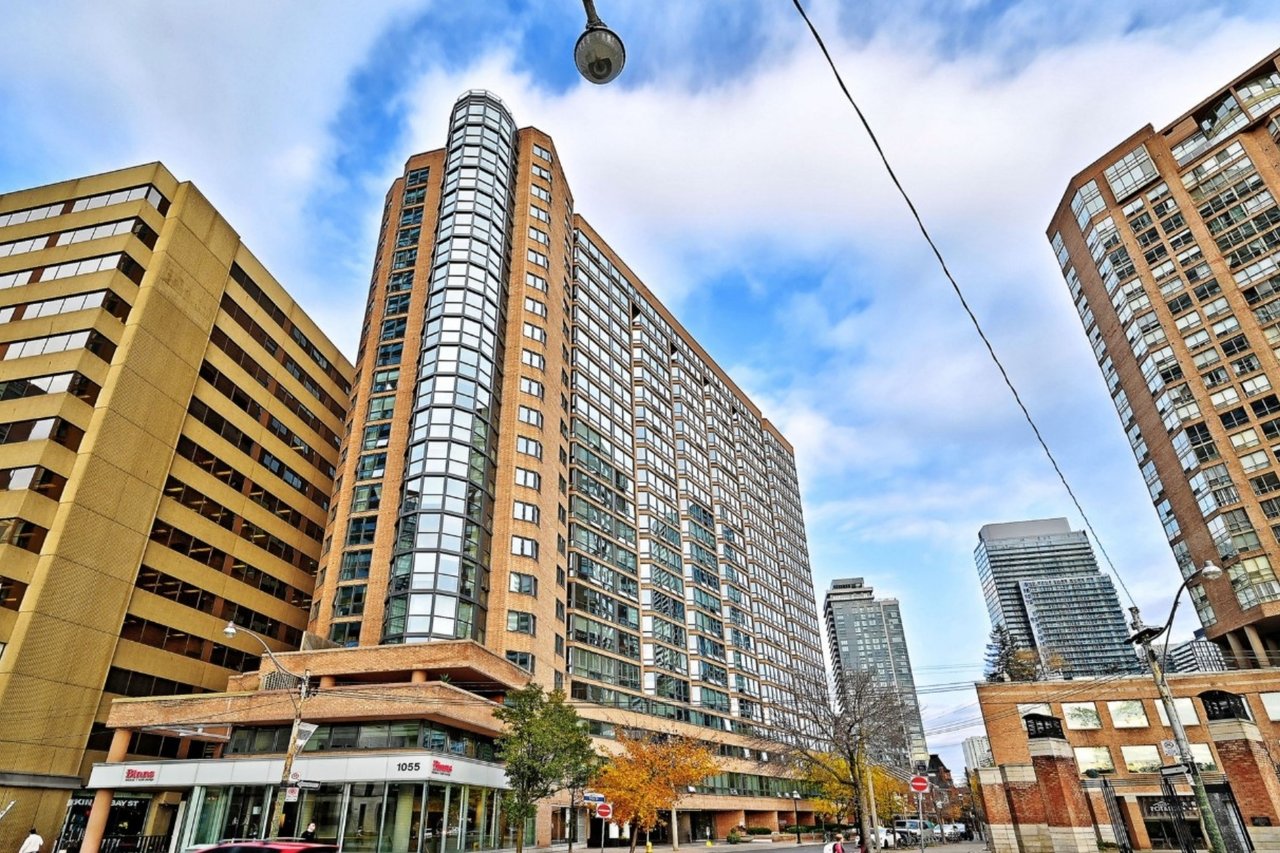
The core of the issue is straightforward. A buyer who signed a pre-construction contract in 2019 or 2020 at $675,000 for a unit in a mid-density condo project is now arriving at closing in a market where that unit appraises at $590,000 -- or less. The decline is not marginal. Since reaching a peak in early 2022, Toronto condo prices have fallen by approximately 25 percent. The average condominium selling price in the Greater Toronto Area stood at $685,961 in Q2 2025, reflecting a 5.9 percent year-over-year decline -- and that average conceals a much steeper decline in the specific segment of smaller, investor-grade units that pre-construction buyers disproportionately purchased.
The financing mechanism of a pre-construction purchase requires the buyer to secure a mortgage at closing -- not at the time of signing the original contract. When a lender appraises the unit at $590,000 and the buyer owes $675,000, the buyer must either cover the $85,000 gap out of pocket, find alternative financing for the shortfall, or default on the contract. In Q3 of 2025 alone, 10 condo projects totalling 2,499 units were cancelled. By the end of Q3, the year-to-date total had reached 18 cancelled projects and over 4,000 units -- a record that broke the previous high set in 2018.
For buyers who cannot close, the consequences extend well beyond the loss of their deposit. In at least one documented Ontario court case -- Mattamy Homes versus a buyer in 2024 -- the buyer forfeited a $60,000 deposit and was then pursued for an additional $190,000 because the builder resold at a lower price and sought to recover the difference. This is not a theoretical risk. It is an active legal reality for buyers who signed contracts they can no longer honour in a market they did not expect.
Who Is Most Exposed
The buyers most acutely affected by the pre-construction default wave are those who purchased in the 2019 to 2022 window in mid-market and investor-grade projects -- the $500,000 to $850,000 range, in buildings designed primarily for the rental investor market rather than end-user occupancy. These buyers typically put down 15 to 20 percent deposits over the construction period, carried the financial commitment for three to five years, and are now facing closing into a unit worth materially less than the contracted price, in a financing environment that is more restrictive than the one they anticipated.
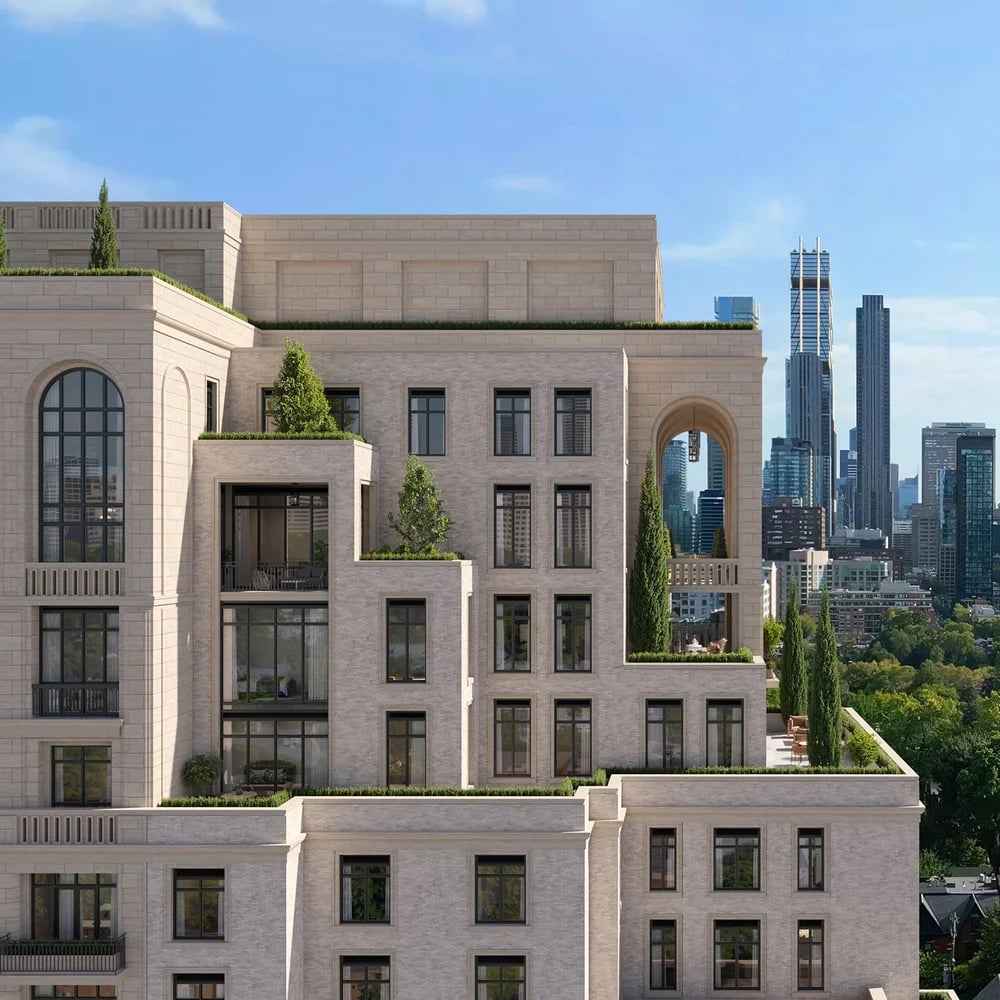
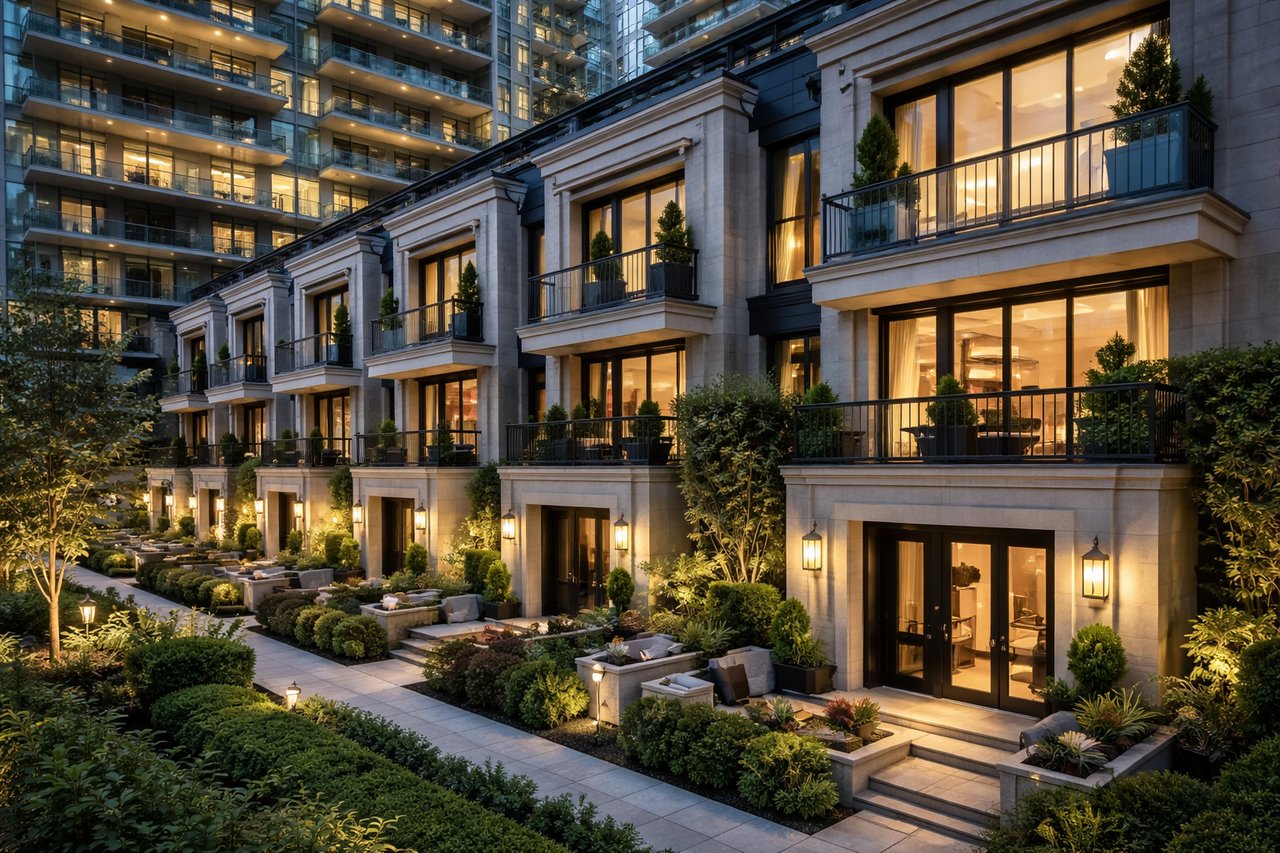
Buyers who purchased in the luxury segment -- units above $2 million in quality buildings with strong end-user demand -- are in a materially different position. The luxury condo market in Toronto has not experienced the same degree of price correction as the investor-grade segment, and buyers in this category are more likely to be purchasing for occupancy, with stronger balance sheets and less dependence on specific mortgage terms to close. Urban luxury condominiums in Toronto are projected at $3.1 million on average in 2026, representing a 3.9 percent annual gain. The pain of the pre-construction correction is concentrated, not universal.
What Developers and Lenders Are Doing
The response from the developer and lender community has been more proactive in this cycle than in previous downturns, partly because the exposure is large enough that an unmanaged wave of defaults would cause significant damage to all parties. Some major banks -- RBC among them -- have been offering blanket appraisals at original purchase prices in specific projects, which allows buyers to secure financing without being penalized for the appraisal gap, at least in the short term. Some developers are offering take-back mortgages and direct vendor financing to help distressed buyers close.
These interventions are not universal, and they are not guaranteed. Builders have their own lenders and their own obligations, and the decision to work with a distressed buyer rather than enforce the contract depends on the specific project, the developer's own financial position, and the degree to which a default wave would damage the builder's relationship with their construction lender. The buyers most likely to receive developer accommodation are the ones who communicate early, engage legal counsel, and understand what options exist before they are in default rather than after.
What This Means for the Broader Toronto Market
The pre-construction default wave of 2025 and 2026 is producing a secondary market dynamic that is important for all Toronto real estate participants to understand. As distressed buyers exit contracts, as cancelled projects return deposits and eliminate units from the supply pipeline, and as the investor market for pre-construction product contracts sharply, the long-term supply picture for Toronto's condo market is quietly tightening. In Q2 of 2025, only 502 new condo units transacted -- the smallest quarterly volume in decades.
The paradox of the current moment is that the near-term pain of the pre-construction correction is creating the conditions for the next phase of the market. Fewer new launches. Less investor supply entering the pipeline. A market in which the units that do get built are more likely to be purchased by end users at prices that reflect genuine demand. Most market analysts expect the Toronto condo market to begin stabilizing through 2026, with a gradual recovery in prices and absorption as the inventory wave clears. The investors and buyers who understand this dynamic -- who can distinguish between distressed inventory that reflects temporary pricing pressure and the structural supply tightening that will define the market in 2027 and beyond -- are the ones who will be best positioned in the next phase.
What You Should Do If You Are Affected
If you are approaching a pre-construction closing in 2026 and facing an appraisal gap, the most important step is to engage qualified legal counsel immediately -- before you are in default, before the closing date has passed, and before the developer has initiated enforcement proceedings. Understanding your specific contract, your deposit protection rights under Tarion, and the developer's obligations is the foundation of any response to a closing shortfall.
If you are a real estate investor reassessing your Toronto exposure in light of the current pre-construction environment, the question is not whether to participate in the market -- it is which segment of the market represents genuine value in the current and near-term environment. The investor-grade pre-construction model that worked from 2002 to 2022 is under serious pressure. The luxury end-user segment, and the established resale market in Yorkville and its surrounding neighbourhoods, is operating on a fundamentally different set of fundamentals.
This is the conversation Nissan Michael has been having with Toronto investors and buyers who are reassessing their positions in 2026. It is not a comfortable conversation in all cases. But it is always a more useful one than the alternative.